Nissens is Expanding its Turbo Lineup and Introducing Smart Replacement Parts to the Aftermarket
At Automechanika Frankfurt 2026, the Nissens Group showcased its expanded Engine Efficiency product line and its Smart Parts concept. In addition to turbochargers, the company is developing comprehensive repair solutions and electronically controlled replacement parts, for which compatibility with vehicle software and data communication systems is becoming increasingly important.
An Impressive Booth at Automechanika Frankfurt
At the Frankfurt show, the Nissens Group unveiled a total of 12 new products and additions to its technology portfolio across its three brands: Nissens, AVA, and Highway Automotive. At an international press conference held on September 9, the company’s management presented the Group’s product development, production strategy, and new growth opportunities in Europe’s electrifying aftermarket.
Nissens Automotive is part of the U.S.-based Standard Motor Products Group (SMP), whose electronics expertise and global product development and manufacturing resources are being leveraged in the development of a new generation of replacement parts. This collaboration expands Nissens’ expertise from traditional thermal management to electronically controlled vehicle systems.
The Turbo Program Covers 71 Percent of the European Vehicle Fleet
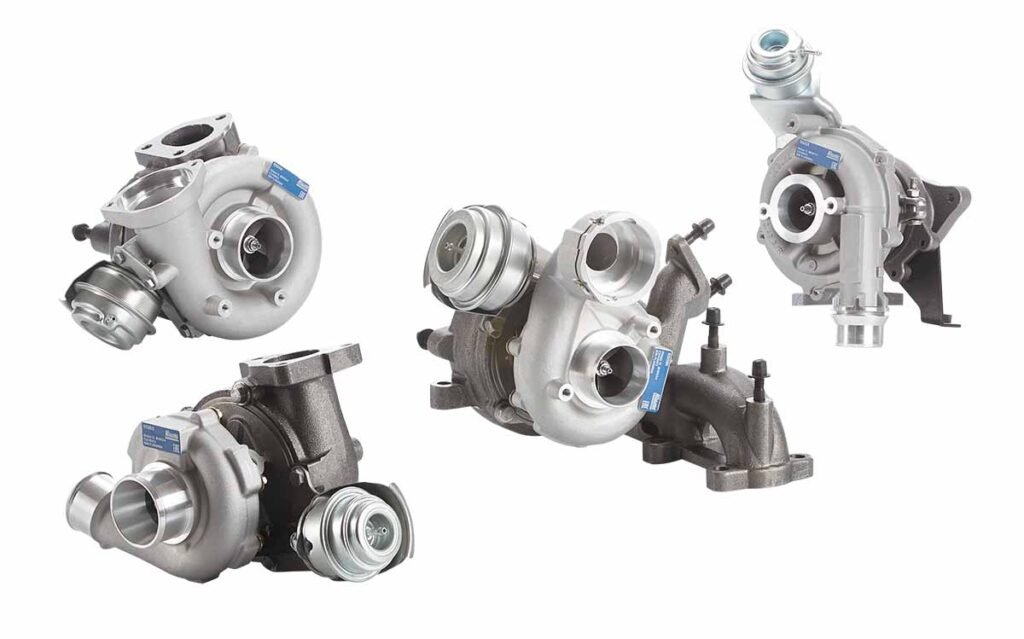
Nissens’ Engine Efficiency product program covers components related to engine turbocharging, efficiency, and emissions control. In addition to turbochargers, it includes intercoolers, EGR valves and modules, oil supply lines, throttle bodies, and ignition coils, which will be launched in 2026.
According to the latest product information provided by Nissens at the Frankfurt Motor Show, the turbo range comprises approximately 500 items and over 5,500 original part number references. The program covers approximately 71 percent of the European vehicle fleet and includes turbocharger applications for passenger cars, light commercial vehicles, and trucks.
The lineup includes free-flow turbos, turbos with wastegate valves, and variable-geometry turbos with pneumatic or electronic control. In electronically controlled variable-geometry turbochargers, the engine control unit determines the position of the turbine guide vanes based on load conditions. An electric actuator and an integrated position sensor enable precise adjustment and operational diagnostics. Some of Nissens’ turbochargers use electric actuators from original equipment manufacturers.
Model-Specific “First Fit” Concept
The latest diesel engine applications include several Audi, Seat, Škoda, and Volkswagen models, as well as the Ford Transit and Tourneo Custom. The lineup of gasoline engines has been expanded to include, among others, the Opel Astra, Corsa, Insignia, and Mokka models.
All Nissens turbochargers are new, not factory-remanufactured replacement units. Therefore, returning the old turbocharger or providing a cash deposit is not required. In accordance with the manufacturer’s “First Fit” concept, the turbochargers are delivered with the necessary model-specific installation parts. Depending on the application, these include, for example, gaskets, stretch bolts, and a pre-lubrication nozzle.
The Oil Supply Line is an Essential Part of Turbo Replacement
Nissens has expanded its selection of turbo oil supply lines. According to the company’s latest product information, the lineup includes over 370 items and more than 900 OE part numbers.
The oil supply line carries engine oil to the turbocharger’s bearings, ensuring their lubrication and cooling. A clogged or damaged line can restrict oil flow and cause even a new turbocharger to fail prematurely. Nissens recommends replacing the oil supply line whenever a turbocharger is replaced.
The manufacturer provides workshops with installation instructions, technical bulletins, training, and troubleshooting materials. Before installing a new turbocharger, the cause of the original failure must be determined, and the condition of the engine’s intake, exhaust, and lubrication systems must be inspected. Simply replacing the turbocharger does not eliminate the risk of failure caused by, for example, an inadequate oil supply.
The Smart Parts Concept Combines Electronics and Software
The Smart Parts concept, unveiled in Frankfurt, introduces a new focus to Nissens’ product development: electronically controlled replacement parts for software-controlled vehicles.
The concept is based on the reverse engineering of components, the integration of electronics and software, and compatibility with vehicles’ CAN and LIN data communication networks. The goal is to create direct-fit replacement components capable of communicating with the vehicle’s other control units.
In developing Smart Parts, Nissens draws on Standard Motor Products’ expertise in electronics and the group’s shared product development resources. The concept addresses the growing need among repair shops to handle components whose operation requires not only mechanical compatibility but also proper electrical and software integration.
A comprehensive list of part numbers and availability for the Smart Parts concept has not yet been published.
At the same time, Nissens is expanding its spare parts program for electric and plug-in hybrid vehicles. The lineup unveiled in Frankfurt already includes over 2,000 items for systems such as thermal management and engine control. The program is also being developed for Chinese car brands that are becoming increasingly common in Europe, such as BYD, Chery, Geely, and SAIC.
The ignition coil lineup covers 65% of the European vehicle fleet
The Nissens Group is showcasing 12 new product lines and technological innovations at Automechanika Frankfurt. The main topics include ignition coils, replacement parts for electric and hybrid vehicles, the aftermarket for Chinese car brands, and Smart Parts components compatible with connected vehicles.
The new offerings at Automechanika reflect Nissens’ two growth strategies: the company is developing solutions for the increasingly electrified vehicle fleet and new car brands, while also expanding its offerings for the aging fleet of internal combustion engine and hybrid vehicles.
Over a century in the aftermarket
Danish-based Nissens Automotive has been a manufacturer and aftermarket supplier of thermal and engine management components for over a century. Headquartered in Horsens, the company joined the U.S.-based Standard Motor Products Group in November 2024. The acquisition has strengthened Nissens’ manufacturing, product development, and electronics expertise. The company has 22 sales and distribution centers around the world.
Nissens Automotive Group has three brands. Nissens offers thermal management, air conditioning, engine efficiency, and emissions control components for passenger and commercial vehicles. AVA The Clever Choice focuses on cooling and air conditioning solutions for passenger cars. Highway Automotive serves the truck, bus, work vehicle, and agricultural machinery segments and offers remanufactured components.
New Products from All Three Brands
Among the new products being showcased at Automechanika, Nissens is introducing three new product lines and two technology extensions. AVA is bringing three new product lines to the show, and Highway Automotive is introducing four.
Key growth areas include electric and plug-in hybrid vehicles, as well as Chinese car brands, which are becoming increasingly common in Europe. Nissens’ New Energy Vehicles portfolio includes over 2,000 part numbers for thermal and engine management.
Smart Parts components are designed to function within a vehicle’s CAN and LIN communication networks just like original equipment parts. During the development of Smart Parts components, the structure, electronics, and operation of the original equipment part are analyzed. The goal is to ensure compatibility with the vehicle’s other systems and to facilitate repair work.
New Product Line in Ignition Components
Nissens is expanding its Engine Efficiency lineup to include ignition components. The company estimates that internal combustion engine and hybrid vehicles will remain a significant part of the European vehicle fleet well into the 2030s. The aging vehicle fleet will also sustain demand for ignition system replacement parts.
Nissens launched its new ignition coil lineup in April 2026. Since then, approximately 70 part numbers have been added to the lineup, bringing the total to over 300. The lineup now covers more than 80 percent of the EU vehicle fleet and over 2,000 OE part numbers.
New vehicle applications include the Ford Kuga (2020–), Volvo XC40 (2018–), BMW X5 xDrive50i (2014–), the Mercedes-Benz GLC 200 (2023–), the Nissan Qashqai (2021–), the Porsche Macan (2014–), the MG HS (2019–), and the Renault Austral (2023–). In the design of these products, special attention has been paid to spark energy as well as resistance to heat, moisture, and corrosion.
The ignition coils are manufactured at SMP Poland’s plant in Białystok, which has an annual production capacity of approximately 7.5 million coils. The facility employs approximately 800 people, of whom more than 90 hold engineering positions. The products are tested in the plant’s validation laboratories and during final testing on the production line.
Nissens Automotive Group
Automechanika Frankfurt September 8–12, 2026.
Hall 3.0, Booths D91, E90, and E88.
Press conference on Wednesday, September 9, from 10:00 a.m. to 10:45 a.m.