Automechanika Shanghai 2026 Guide: Why Shanghai?
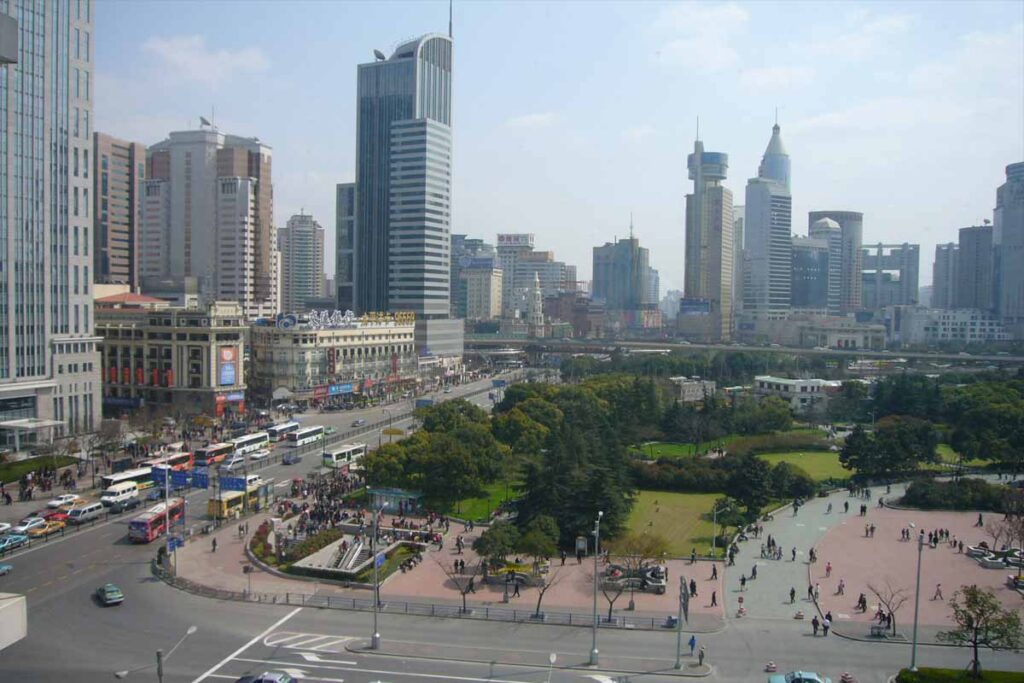
Shanghai, home to the world’s largest Automechanika event, is located on the coast of the East China Sea and borders the provinces of Zhejiang and Jiangsu. Shanghai’s modern development, which began about a hundred years ago, reached its peak in the 2000s. Shanghai is one of Asia’s most attractive tourist cities, where history and modernity combine to create a unique atmosphere. Join Automediat RVK News as we explore the city.
- English name: Shanghai; Chinese name: 上海 Shànghǎi
- Population: 24,854,100 residents (in 2025)
- ZIP code: 200000
- Airports: Shanghai Pudong International Airport, Shanghai Hongqiao International Airport.
- Main attractions: Nanjing Road, the Bund (Wai Tan) waterfront promenade, People’s Square, Xintiandi, Jade Buddha Temple, Oriental Pearl Tower, Yugarden, M50 Creative Park art center.
- Automechanika Shanghai 2025 attracted 253,691 visitors. Largest trade fair: East China Import and Export Fair 2026.
- Typical dishes: xiaolongbao (xiǎo lóng bāo), pan-fried stuffed buns (shēng jiān bāo), braised meat in soy sauce (hóngshāo ròu), Shanghai hairy crab (shàng hǎi máo xiè), crystal-clear shrimp (shuǐjīng xiārén), and fried river shrimp in batter (yóu bào hé xiā).
Shanghai is paradise for the rich and hell for the poor
There is a well-known saying: “Shanghai is paradise for the rich and hell for the poor.” People flock to Shanghai from all over China in search of a better life—to escape rural life, study at a top university, or land a job at a major multinational corporation. Even wealthy Chinese complain about Shanghai’s exorbitant housing costs and other expenses associated with maintaining a high standard of living.
Shanghai is one of China’s largest cities and plays a vital role in the national economy. It is an international financial center and port, as well as the headquarters of many international and Chinese companies. It is home to the Shanghai Stock Exchange, banks, insurance companies, and investment firms. Shanghai’s major port is one of China’s most important, handling vast quantities of containers and cargo ships. Shanghai is one of the world’s most important industrial centers. The city plays a central role in China’s heavy industry.

Shanghai is extremely important to China’s automotive industry for several key reasons:
- A Major Manufacturing Hub: Shanghai and its surrounding areas serve as a major manufacturing hub for both complete vehicles and auto parts. The city is home to numerous domestic and international automobile factories and production facilities.
- Headquarters: Many large automotive companies, both domestic and foreign, have established their regional headquarters, as well as their product development and design offices, in Shanghai. This concentration of intellectual capital drives innovation and technological advancement in China’s automotive industry.
- Strong Supply Chain: Shanghai benefits from a well-developed and integrated supply chain that includes suppliers of raw materials, components, and logistics services. This facilitates manufacturers’ efficient procurement of materials and distribution of finished products.
- International Trade and Exports: Shanghai’s strategic location as a major port city facilitates international trade and the export of automotive products. The city’s port handles a significant volume of vehicle and component exports, making it a crucial hub in the global automotive trade.
- Financial Hub: As a major financial hub in China, Shanghai provides access to financing, investments, and financial services that automotive companies need to grow and expand.
- Government Support: The Shanghai municipal government has actively supported the automotive industry through policies, incentives, and infrastructure development. This favorable environment has attracted investment and fostered growth in the sector.
- Skilled Workforce: Shanghai has a large pool of skilled workers, engineers, and technicians with expertise in automotive manufacturing, design, and technology.
- Innovation and Technology: Shanghai is a hub for innovation in the automotive industry, particularly in the fields of electric vehicles (EVs), autonomous driving, and connected car technologies. The city is home to numerous startups, research institutes, and technology companies that are driving these advancements.
- Strategic Geographic Location: Shanghai is located near other important economic regions and automotive manufacturing hubs in China, such as the Yangtze River Delta, making it a key hub for the automotive industry in China.
Heading to Shanghai in December?
QUICK GUIDE BEFORE YOU LEAVE


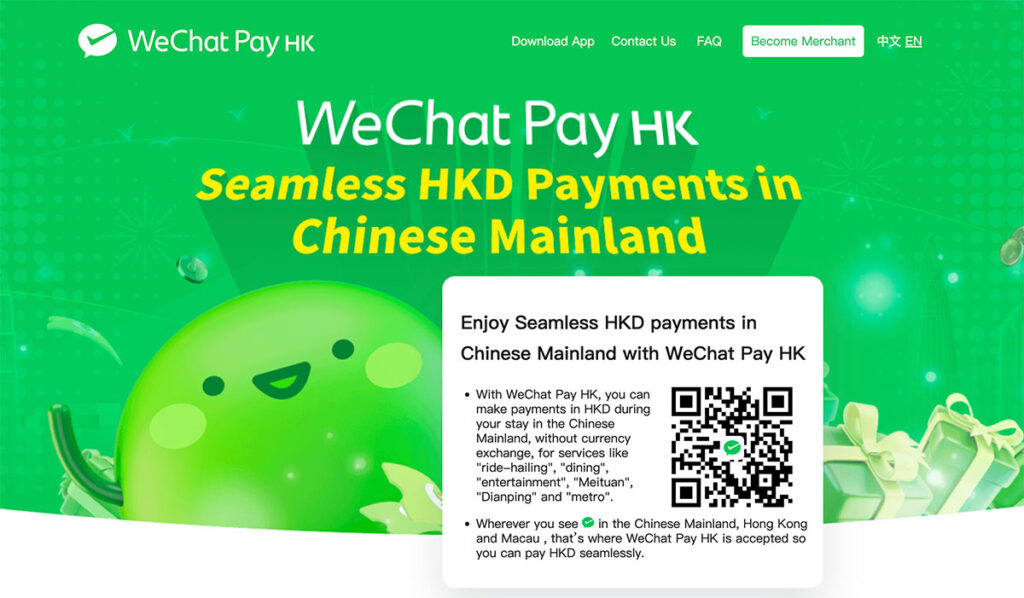
1. Install WeChat and Alipay. Enable the “International/Overseas” versions and link your international card (Visa/Mastercard/JCB/Discover/AmEx supported on WeChat; Visa/Mastercard/Diners/Discover supported on Alipay). This way, you can pay with QR codes almost anywhere—including at street food stalls, in taxis, and on the subway.
More information on mobile payments
2. Get a data plan: If you don’t want to deal with VPNs, buy an international eSIM that uses network gateways outside of China (this way, Google, WhatsApp, etc., will work without a VPN). Local eSIMs are still limited; a physical SIM card will definitely work. More information on SIM cards
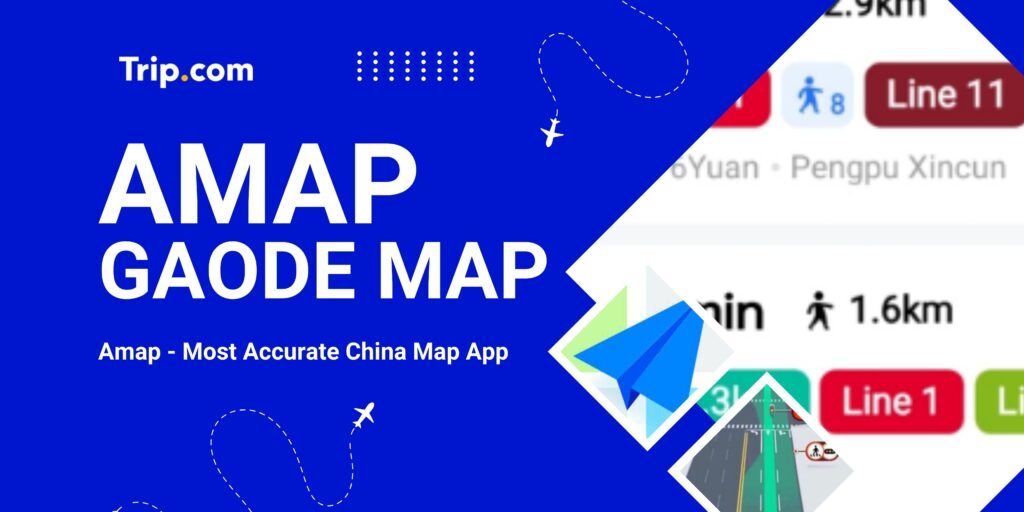
3. Download map and navigation apps: Amap/Gaode (English mode is being rolled out), Baidu Maps (limited English), and Apple Maps work well. DiDi (the equivalent of Uber) operates in English and accepts foreign credit cards. More information about the map app
4. Bring a small amount of cash (100–300 RMB) for emergencies; cash is accepted, but QR codes are the norm. More information on payments
Paying in China, 2026
- WeChat Pay (Weixin Pay): You can link foreign cards (Visa/Mastercard/JCB/AmEx/Discover) and pay by scanning a QR code. You can set it up using a foreign phone number. tencent.com+2tencent.com+2
- Alipay (International): Select “International version,” then link a foreign card (Visa/Mastercard/Diners/Discover). Partnerships with Mastercard and (currently) AmEx have expanded its use among tourists. alipayplus.com+2Mastercard+2
- Physical cards: Foreign Visa/Mastercard cards still work inconsistently at physical payment terminals; QR codes almost always work. China has also improved cash acceptance (government policy). english.www.gov.cn
- DiDi rides: The app accepts international cards (including direct payments to DiDi). An easy way to get around the language barrier. Wise+1
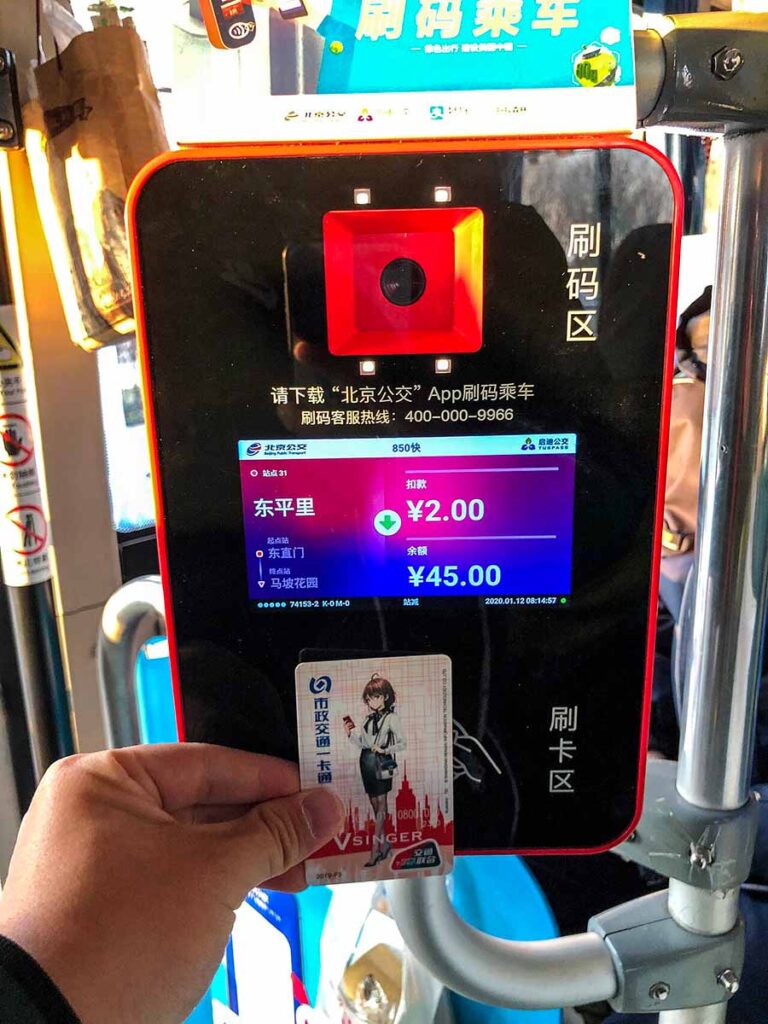
- Public transportation
:
- Shanghai Metro 1/3-day passes: 24 h ≈ 18 RMB; 72 h ≈ 45 RMB. Also available: combo passes (Maglev + 1 day). Available at stations. chinadiscovery.com+2us.trip.com+2
- Shanghai Public Transportation Card (Yikatong): valid on buses, the metro, the Maglev, and even taxis. travelchinaguide.com
Tip: If the QR code doesn’t work (due to a spotty connection), show the cashier the payer’s QR code from the WeChat or Alipay app, or pay with cash.
Social Media & Communication in China
- Blocked services (Great Firewall): Facebook, Instagram, X/Twitter, YouTube, Reddit, WhatsApp, etc. – WhatsApp and Threads were also removed from the Chinese App Store at the request of authorities in 2024. AP News+3Expatriate Group+3Travel China Cheaper+3
- Local alternatives
:
- WeChat (essential: messaging, calls, location sharing, payments)
- Xiaohongshu / RED (小红书) for travel tips; the app still has an English language setting, but brand and English support have been discontinued. Dan Business+2DFC Studio+2
- Weibo, Douyin (China’s TikTok), Bilibili – work without a VPN.
- If you want to use Western services
:
- A roaming or international eSIM can bypass the firewall without a VPN (depending on the provider). VPN performance varies, and the legal situation is unclear—install several options in advance and use them with caution. getnomad.app+2The Food Ranger+2
Connections: SIM, eSIM, Wi-Fi
- eSIM: International eSIM plans work widely and can provide unrestricted access to Western services; support for local eSIMs on phones is still limited (the situation is evolving with news about the iPhone Air). ByteSIM+1
- Physical SIM (China Mobile/Unicom/Telecom): Purchase with a passport at official stores or the airport.
- Wi-Fi at hotels and shopping centers: Often requires registration with a phone number (SMS code).
Maps and Navigation
- Amap/Gaode: The English interface is expanding; public transit routing works. Trip.com+1
- Baidu Maps: Partially in English; Pinyin search works, basic navigation is okay. Trip.com+1
- Apple Maps: Works well without a VPN.
- DiDi: Book in English; international credit cards accepted; avoids language barriers with street taxis. Wise
- Taxis: They definitely accept cash; QR code payments are becoming more common, but foreign QR codes aren’t always accepted when offline. Keep some small change on hand. Travel China Cheaper

Small but important practical tips
- Receipts & addresses: Show your destination in Chinese (using WeChat’s mini-translator, a hotel business card, or the Amap app).
- Tipping: Not customary in China.
- Electricity: 220V, A/C/I plugs—bring a universal adapter.
- Emergency supplies: A little cash, a spare card, an offline map (downloaded).
- Internet without surprises: If you absolutely need Gmail/WhatsApp/IG, roaming or an international eSIM is the easiest “set it and forget it” solution; VPNs sometimes don’t work well. getnomad.app
Quick Lists (save these!)
Must-have apps: WeChat + WeChat Pay, Alipay (International), DiDi, Amap/Gaode, Apple/Google Translate, hotel apps. tencent.com+2alipayplus.com+2
Metro passes: 24 h = ~18 RMB, 72 h = ~45 RMB; a Maglev+1-day combo is available. Buy at the station. chinadiscovery.com+2us.trip.com+2
Payment options: WeChat/Alipay + 100–300 RMB in cash + one physical card. english.www.gov.cn
Social media situation: most Western services are blocked; use WeChat and/or an international eSIM/VPN with caution. Expatriate Group+1