Rules Alone are not Enough Without Effective Enforcement
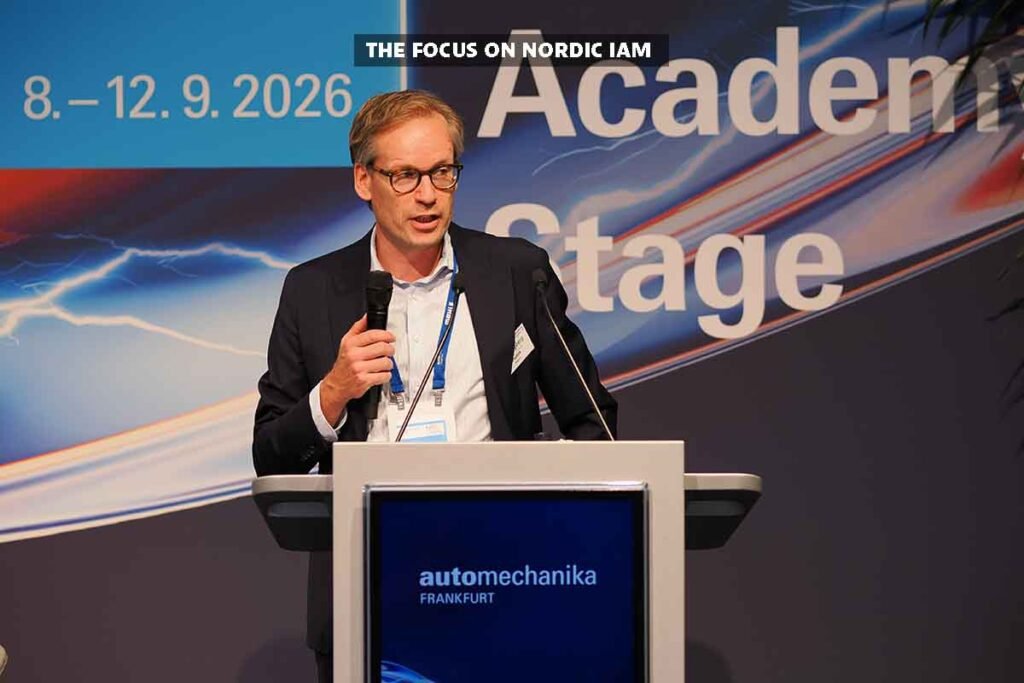
Effective enforcement is essential if EU rules are to benefit the independent aftermarket in practice, says Mads Engberg, CEO of Danish aftermarket organisation AUTIG and president of FIGIEFA. In Denmark, electric vehicles accounted for 79.9% of new passenger car registrations in the first half of 2026, while their share of the total passenger car fleet was 22.9% in July. Internal combustion engine vehicles therefore remain the main drivers of aftermarket growth as the industry prepares for a more software-driven electric vehicle fleet.
“From FIGIEFA’s perspective, legislation for the independent aftermarket sector has already been significantly developed, but its benefits for the IAM will only be realized through effective oversight,” notes Mads Engberg.
Mads Engberg presented Denmark’s independent aftermarket and the sector’s European priorities at the “The Focus on Nordic IAM” event organized by Automediat.com at Automechanika Frankfurt on September 9, 2026. His presentation demonstrated how quickly the new-car market can become electrified, while the vehicle fleet—which forms the basis of the maintenance and repair business—is changing at a significantly slower pace.
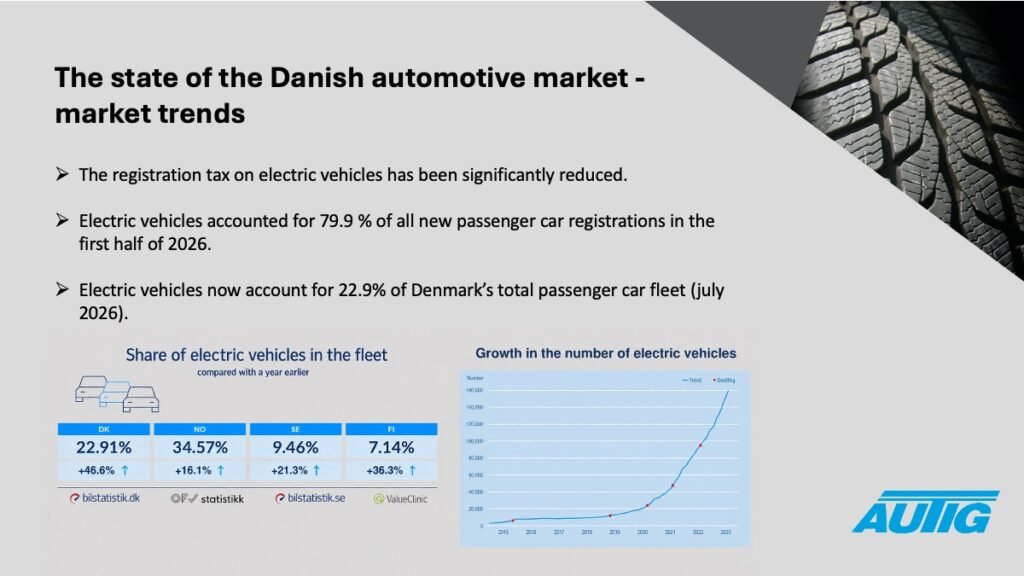
The Shift Toward New Electric Vehicles is Outpacing the Vehicle Fleet
In Denmark, the registration tax on electric vehicles has been significantly reduced. The need for expertise and equipment related to electric vehicles is growing rapidly among Danish workshops, but this shift does not eliminate the service needs of the current vehicle fleet. New car registrations indicate future work, but current demand for maintenance and repairs is determined primarily by the existing vehicle fleet, its age, and mileage.
Workshops’ Revenue Grew by About Seven Percent
Engberg described Denmark as a market with a relatively extensive network of independent spare parts distributors and wholesalers. Workshop revenue grew by approximately seven percent in 2024 compared to the previous year, but performance varied significantly from one company to another.
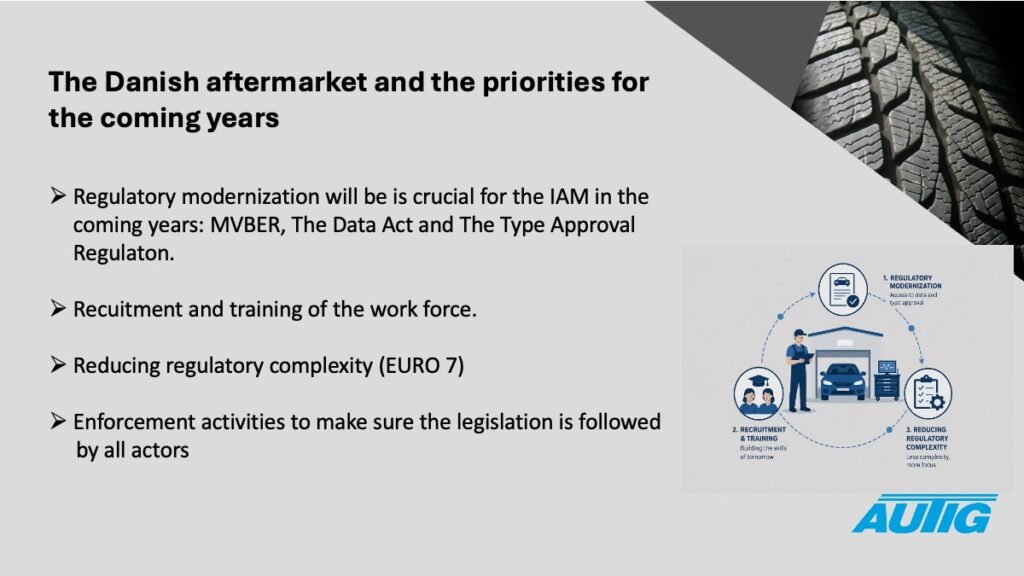
Recruiting a skilled workforce is a challenge for the entire automotive industry. AUTIG is investing in initiatives designed to attract young people to the field. According to Engberg, however, the automotive industry has been more successful in recruitment than many other sectors. The growing fleet of electric vehicles increases the importance of training, as workshops must be proficient in mechanical work, high-voltage technology, diagnostics, and software-based systems all at the same time.
Reporter: Valentina Ahlavuo, Automediat.com